UI/UX Design Trends for 2026
What drives certain design solutions to rise in popularity while others slowly fade away? At its core, each trend reflects shifts in technology, social and cultural dynamics, and the actual behavior patterns of real users. In 2026, UI/UX is moving toward highly personalized and inclusive experiences, blending practicality with bold experimentation. Read on for a closer look at the trends shaping 2026.
AI copilots
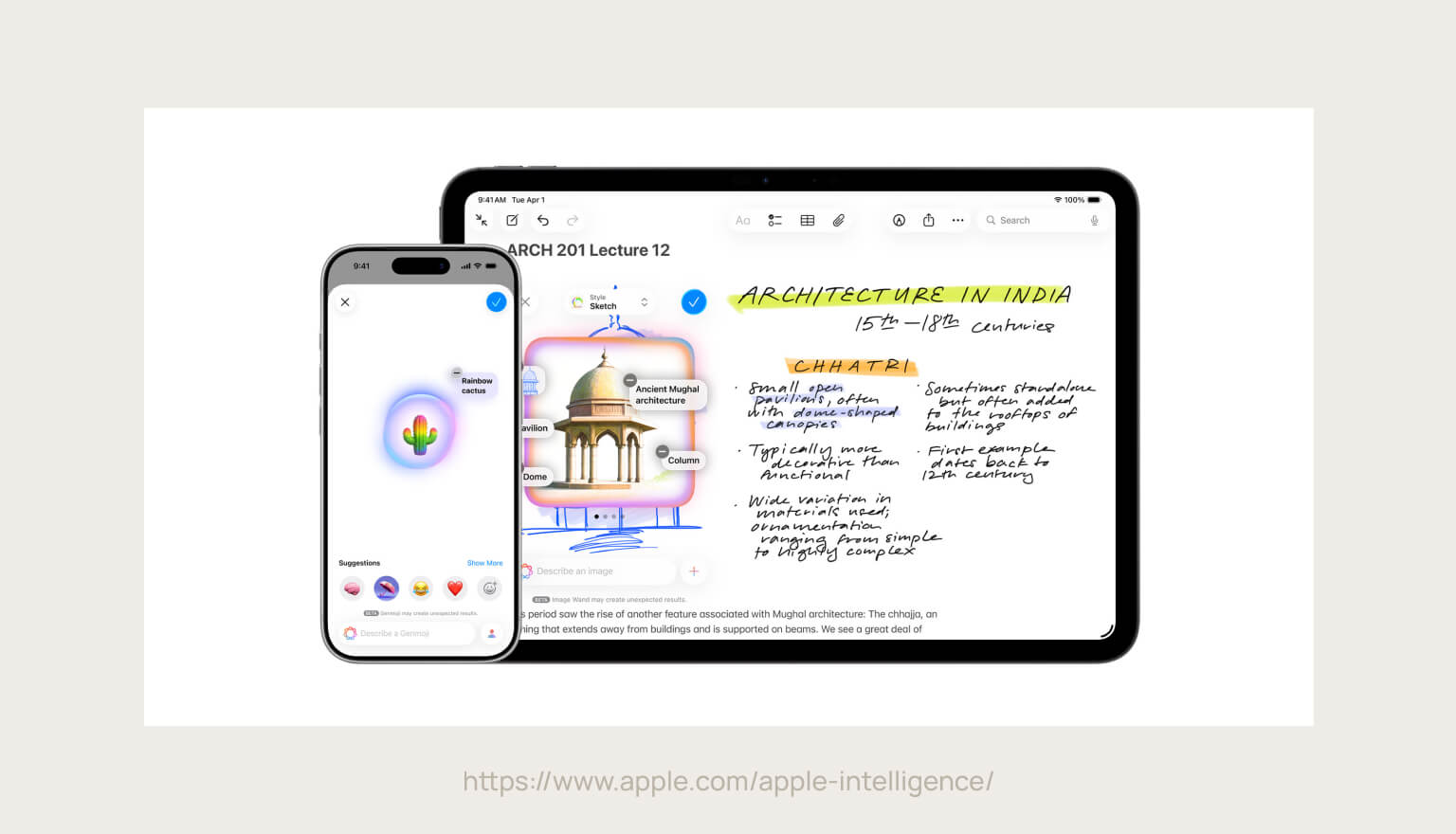
AI copilots are proactive assistants that suggest optimal actions, automate routine tasks, and offer context-aware tools. In apps, they can generate content, fill out forms, or adapt the interface to the user’s current flow.
An AI-first approach makes the UX smarter and more personalized while removing unnecessary steps along the way. Instead of waiting for the user to search for a feature, the copilot surfaces it exactly when it's needed. Gradually, AI copilots are becoming a standard part of SaaS and digital products, and this trend will only grow stronger.
Multimodality and zero UI
Multimodal interfaces let users interact with a product through several channels at once — voice, gestures, touch, or sensors. Zero UI takes this a step further by making the interface “invisible”: the system understands what action is needed and responds to the context without relying on traditional buttons or menus. Examples include voice assistants, gesture-based navigation on mobile devices, motion sensors in smart environments, and AR interfaces that layer information onto the real world.
Hyper-personalization
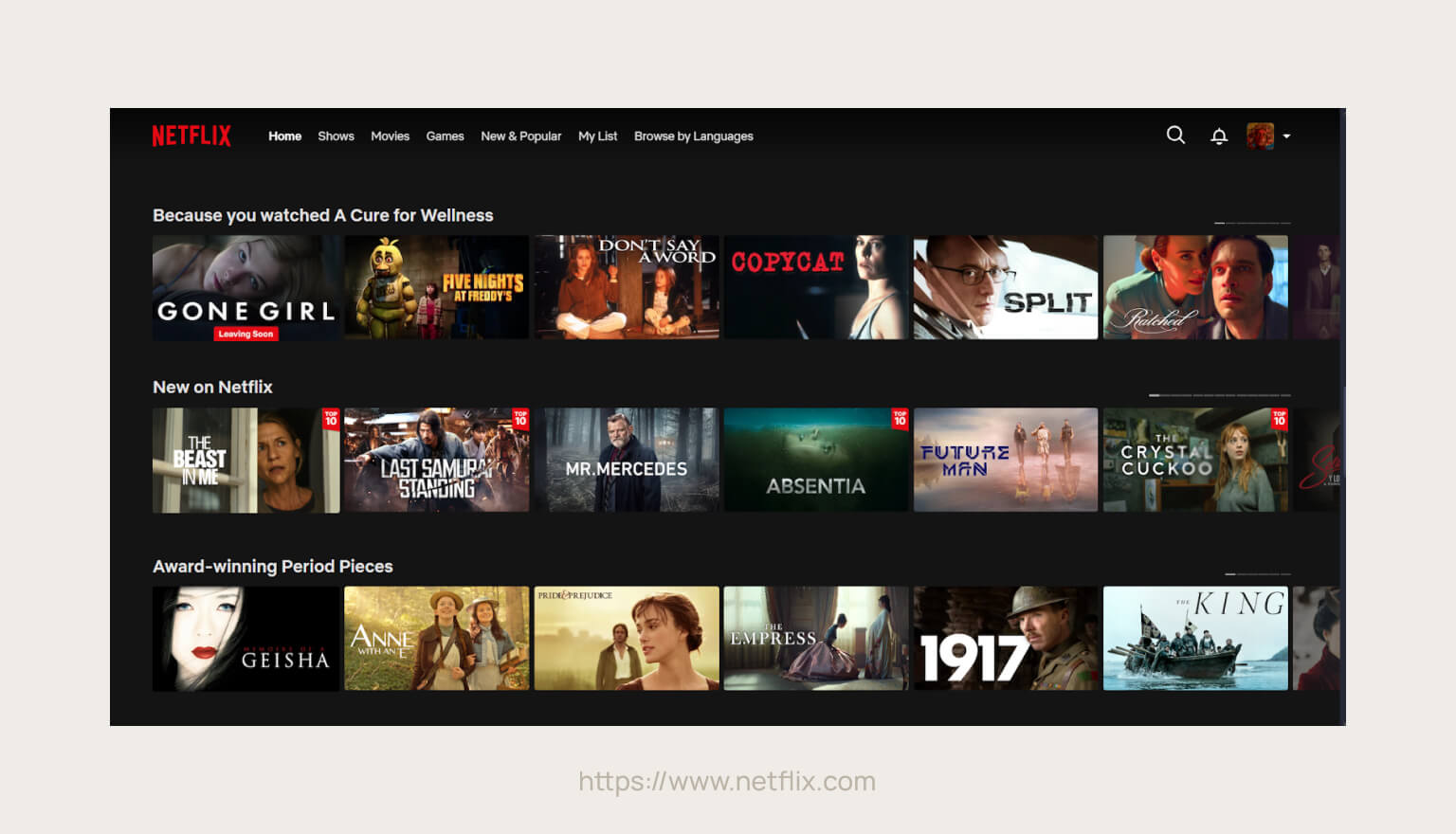
Hyper-personalization is a way to make the UX fully tailored to each individual user. Systems analyze behavior, preferences, and context to surface the most relevant features, content, or prompts.
In practice, this trend shows up as dynamic interfaces, personalized recommendations, adaptive workspaces, and messages that shift based on what the user does. At the same time, it’s crucial to maintain a balance between personalization and transparency: users should understand why they’re seeing certain suggestions and retain control over their data.
Motion as an interface language
Motion in UX is a system of visual communication that conveys state, priorities, and possible actions through movement. Animations and microinteractions follow natural principles of motion: momentum, acceleration, smooth transitions, and responsive feedback. Every transformation, scale change, or element appearance establishes an information hierarchy and helps users navigate the interface quickly.
Inclusive design by default
Inclusive design means creating products that are accessible to the widest possible range of people, regardless of physical abilities, age, or experience. Today, it’s integrated from the design stage rather than added later as an afterthought.
In practice, this involves following accessibility standards (WCAG), supporting multiple interaction methods, providing adaptive color palettes and typography, and considering cognitive and neurodiverse needs.
Sustainable UX
Sustainable UX focuses on creating products that minimize their negative impact on the environment and on users’ resources, such as time, attention, and device performance. It relies on optimizing performance, reducing energy consumption, lightweight design solutions, and using eco-friendly hosting.
A product designed with sustainable UX in mind combines environmental responsibility with comfort: efficient pages, optimized algorithms, and a minimalist interface without unnecessary clutter.
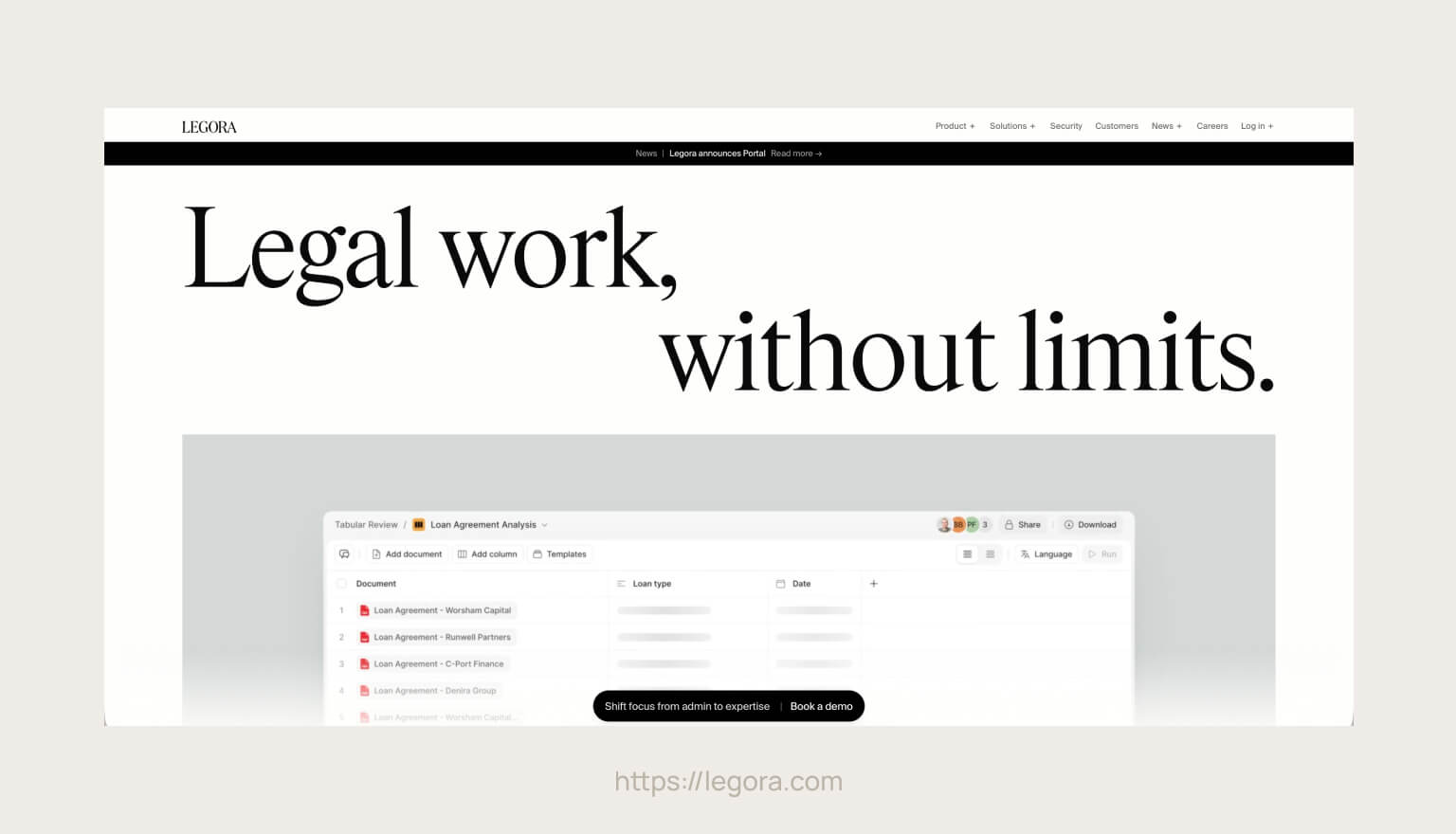
Adaptive color palettes and typography
Adaptive colors and fonts adjust to the user’s context, including time of day, lighting conditions, or specific accessibility needs. This is implemented through dynamic themes, automatic contrast adjustments, scalable typography, and color schemes that respond to the device or environment.
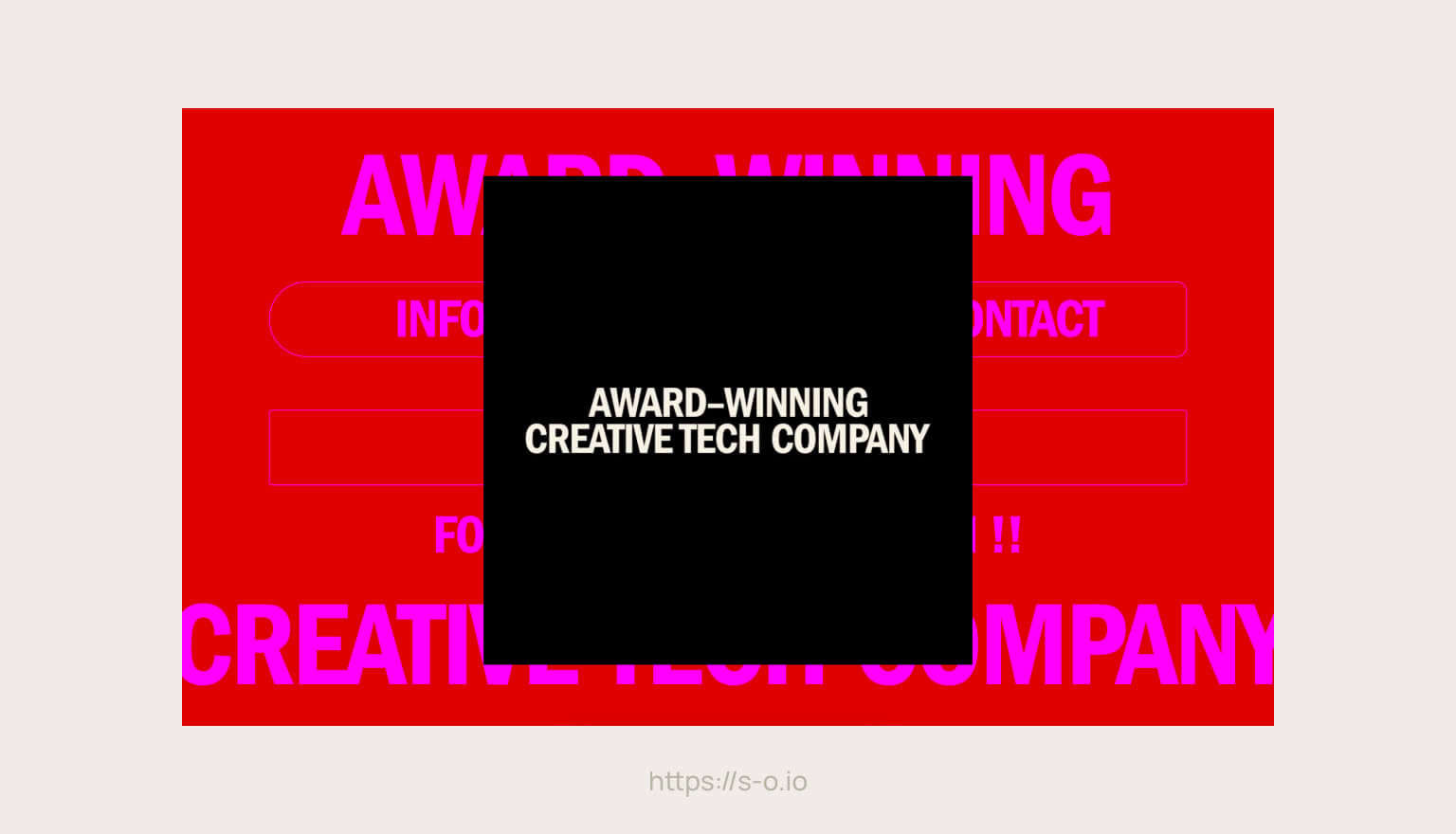
Anti-design and experimental aesthetics
Experimental aesthetics encompass unconventional and innovative visual solutions that break traditional composition rules to create a unique experience. Anti-design is one branch of this aesthetic: it deliberately disregards classical principles of harmony and hierarchy, drawing attention to the product. This trend often appears through brutalist elements, chaotic layouts, bold typography, unexpected color combinations, playful manipulation of space and proportions, and surprising interactive features. Anti-design shocks and provokes, yet interaction remains clear and intuitive.
Data-driven visual storytelling
For a long time, visual storytelling has been a way to simplify complex information, create cohesive narratives, and communicate with users in a clear, structured way. Now, it increasingly relies on data as the order of information is guided by analytics. Each element of the story is selected and arranged based on specific metrics and trends. For example, dashboards highlight key numbers, while interactive charts reveal patterns or allow users to explore trends on their own.
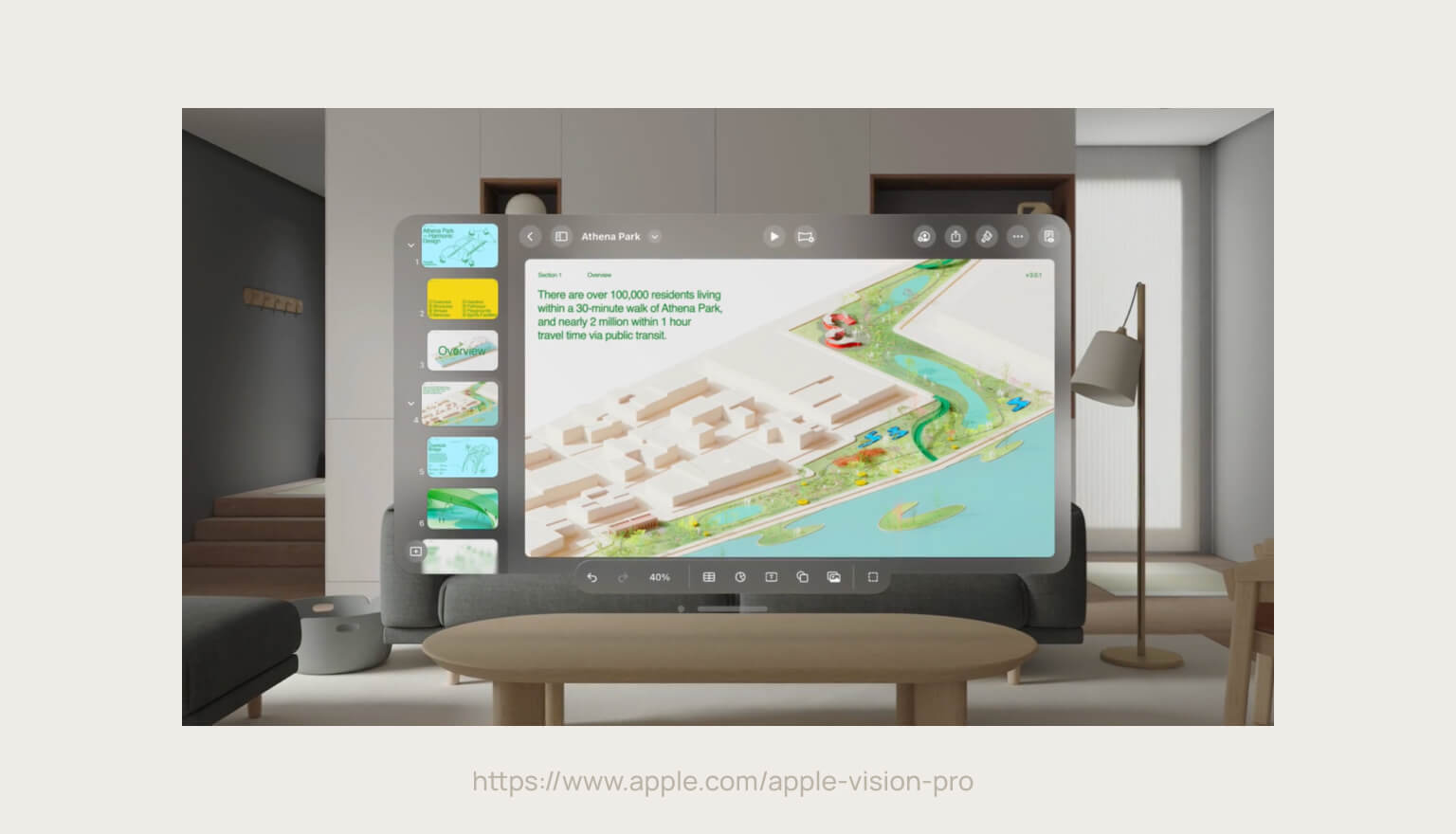
Spatial interfaces
Spatial interfaces bring digital content into a three-dimensional space by combining AR, VR, and 3D visualizations. Elements respond to user movements, position, and the surrounding environment, making navigation and interaction feel natural.
For example, users can “place” 3D models of furniture or interior objects directly into a physical space. Another scenario involves virtual learning or educational environments where objects can be rotated, scaled, or viewed from any angle.
This year, UI/UX seamlessly combines technological sophistication with user focus: personalization, inclusivity, and adaptability are becoming standard, while experimental approaches make products stand out. Design aims to be both functional and visually engaging, balancing innovation with practical value.
Planning to launch a project? Leave your contact details in the form — our manager will get in touch and suggest the most relevant digital design solutions for your business.