AI for Business: What’s Relevant in 2026
By 2026, AI is no longer a standalone tool but an integral part of processes, infrastructure, and digital products. Companies are choosing solutions that can be controlled, scaled, and integrated into workflows without compromising security. Here’s a look at the most relevant trends in practical AI adoption for business.
Trend #1: The era of Agentic AI
Businesses are moving beyond passive chatbots toward autonomous AI agents capable of completing tasks on their own. These agents don’t just respond to requests but make decisions and take action, such as booking services, managing purchases, and auditing processes.
In large and fast-paced business environments, a single agent is no longer enough to cover all needs. This is where multi-agent systems are used, forming networks of autonomous agents that interact with each other without human intervention. For example, Siemens uses autonomous procurement agents to monitor suppliers, assess logistical risks, and adjust component orders based on current prices and delivery schedules.
Trend #2: Hyper-personalization
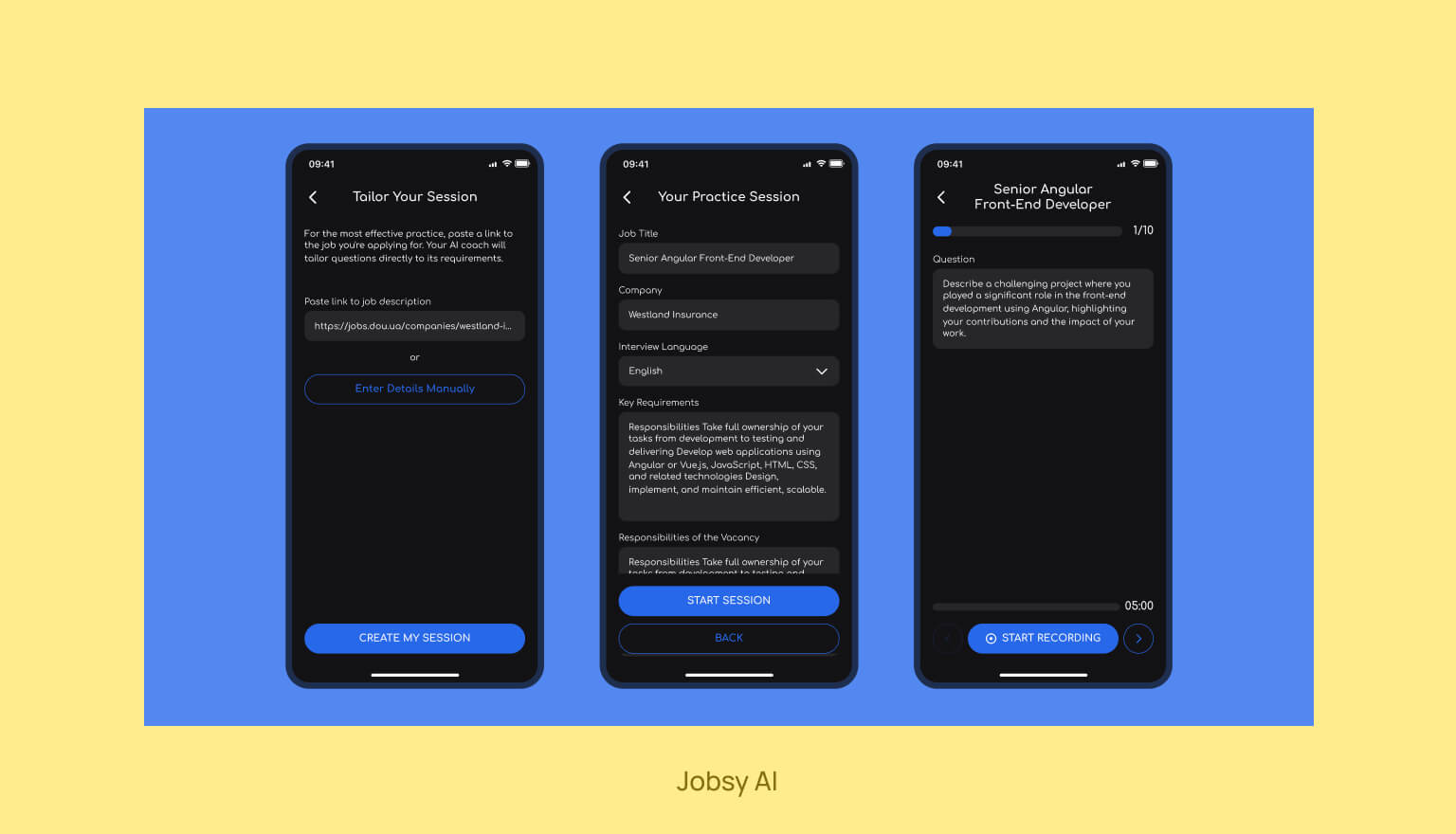
Hyper-personalization relies on analyzing user behavior to tailor content, offers, and interfaces to individual needs. Websites and apps adjust not only banners and recommendations, but also the layout, element visibility, and visual modules depending on the user type and their behavior.
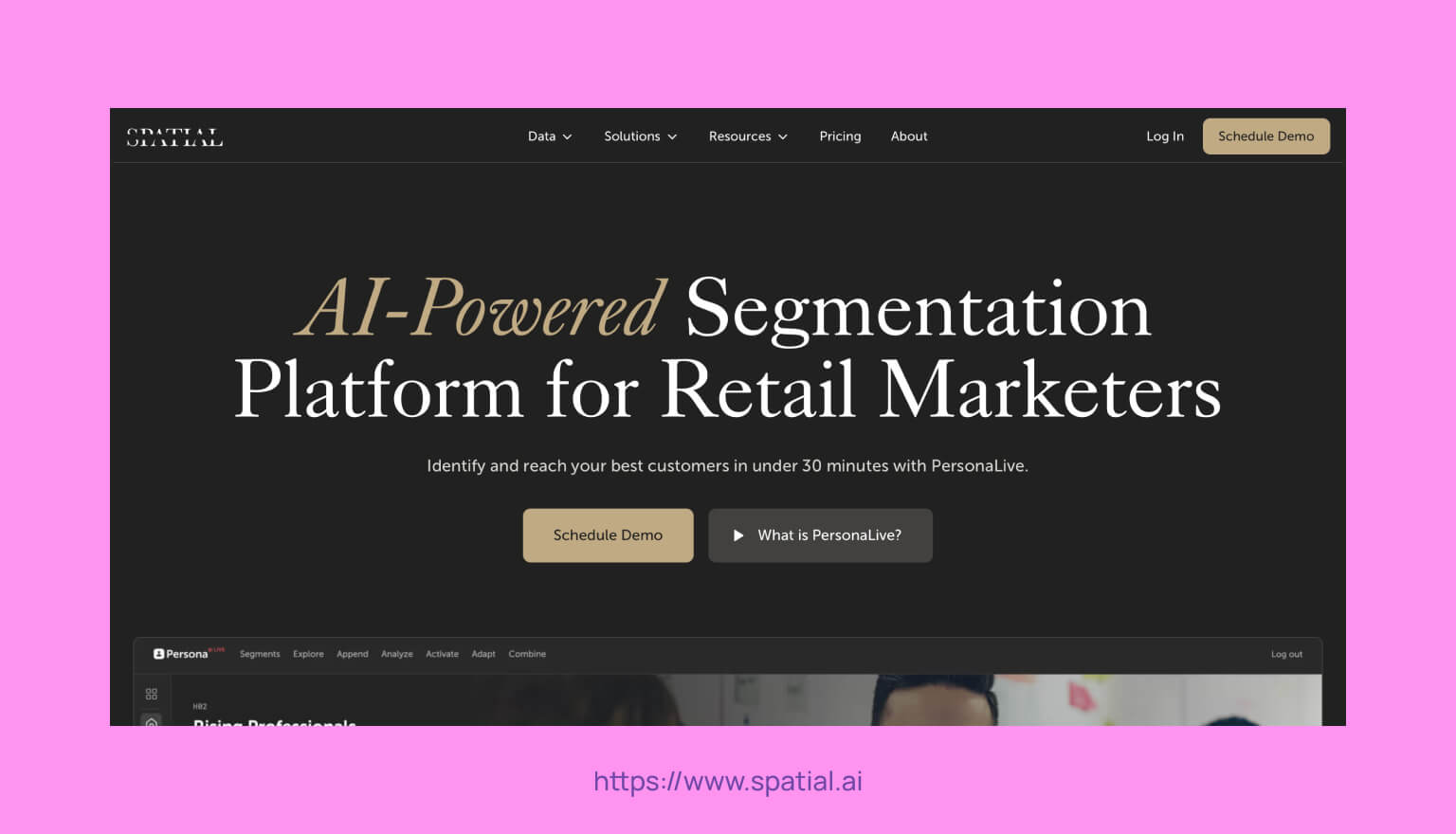
Marketing strategies are increasingly focusing on GEO — Generative Experience Optimization. Users are turning to AI assistants rather than traditional search engines, so businesses need to optimize content for queries and behavior within these platforms, not just for Google or standard SEO.
Trend #3: Industrial AI and Edge AI
AI is increasingly being applied in manufacturing and logistics. Businesses are turning to local models (SLMs) that run on their own servers or directly on devices. This enables faster data processing and stronger security, as sensitive information remains within the enterprise.
At the same time, the use of spatial AI is accelerating the robotization of factories and warehouses. Cameras and sensors map the physical environment, allowing robots to navigate, avoid obstacles, and perform tasks autonomously. Examples include Amazon, Ocado Technology, and ABB Robotics.
Trend #4: Multimodality by default
Multimodal AI systems are gradually becoming the standard, processing text, images, audio, and video streams simultaneously in real time. With “invisible” interfaces, systems can respond to gestures, facial expressions, tone of voice, and visual context without relying on traditional buttons or menus.
Combining multiple data formats makes it possible to adapt UI/UX to user behavior and automate information processing. AI brings together text, audio, and video data to enable faster analysis and pattern recognition.
Trend #5: Energy efficiency and Green AI
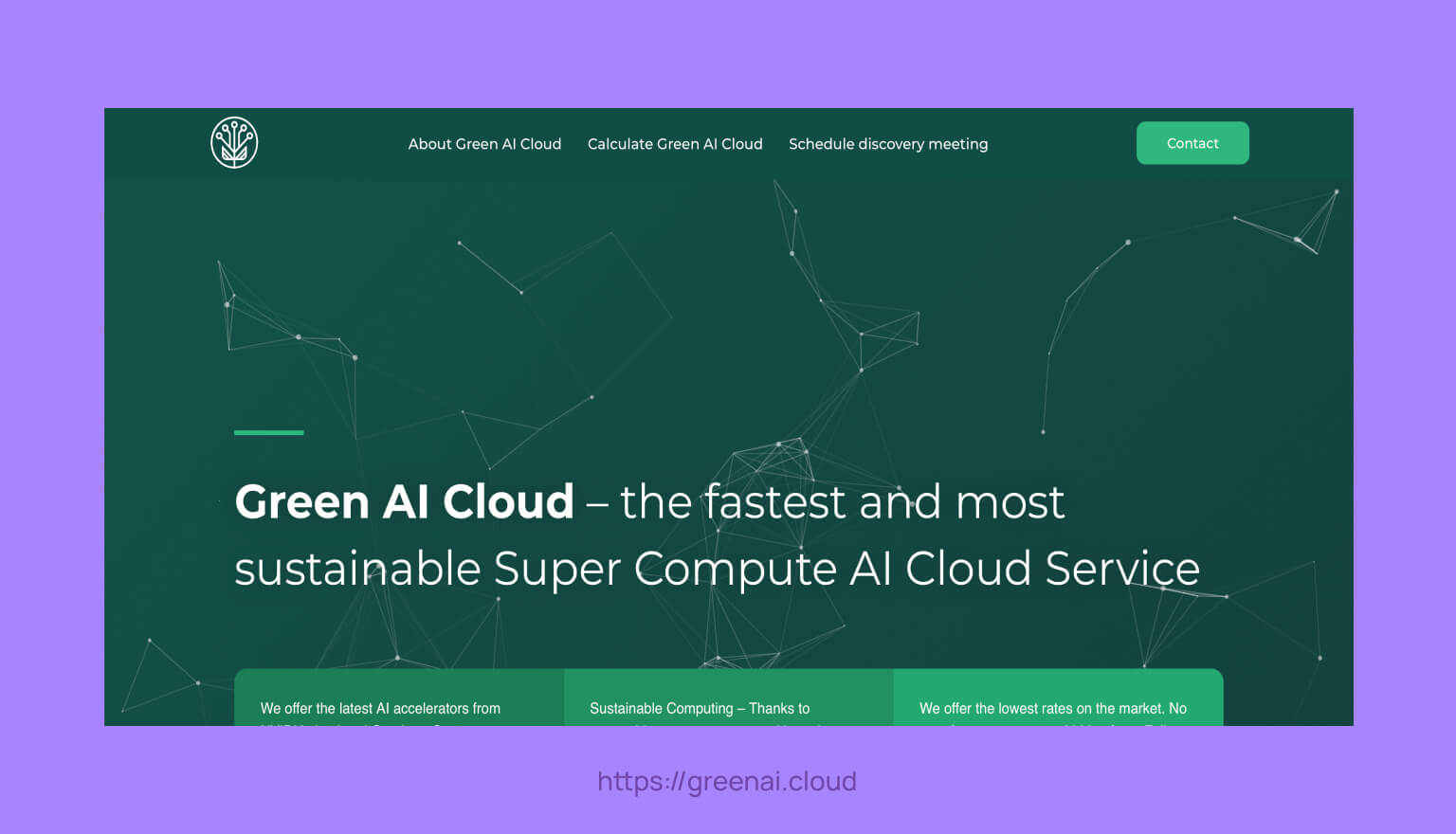
Large-scale models require significant energy, which is why AI’s environmental footprint is increasingly taken into account when choosing a provider. Businesses are opting for systems trained on renewable energy or adopting more compact solutions that consume significantly fewer resources.
In practice, three approaches to green AI are commonly distinguished:
🟩 Green-in AI — optimizing models and algorithms to reduce energy consumption during training and inference;
🟩 Green-by AI — using AI to reduce energy use and optimize resources across other industries;
🟩 Green AI — a broader concept that covers environmentally responsible training, energy-efficient hardware, and minimizing the carbon footprint throughout the entire model lifecycle.
Trend #6: Sovereign AI
Driven by geopolitical constraints and stricter data privacy requirements, including GDPR, companies are moving away from public cloud models in favor of proprietary solutions deployed on-premises. These models operate within the company’s own infrastructure, enabling full control over data and algorithms and ensuring a high level of information security.
A proprietary model becomes the company’s intellectual property. It cannot be externally disabled, and its development and adaptation depend solely on internal resources. This approach helps preserve data confidentiality and allows AI to be integrated more deeply into business processes without the risk of external restrictions.
AI now spans every layer of business operations, from automating routine tasks and personalizing the customer experience to energy management. Companies are adopting autonomous agents, multimodal systems, and energy-efficient solutions.
If you’re considering integrating AI into your business, leave your contact information in the form. Our manager will get in touch and propose the best solution for your company.